Did you know that incorporating mushrooms into your diet can be a game-changer for weight loss? These nutrient-dense fungi not only provide a satisfying alternative to higher-calorie foods but also boast a low energy density that can help you feel full while consuming fewer calories. In a world filled with diet fads and quick fixes, mushrooms stand out as a wholesome, functional food option that aligns with healthy eating habits and weight management goals. Their unique composition, rich in vitamins and minerals, provides not just nourishment but also potential fat-burning benefits. As you explore the role of mushrooms in your diet, you’ll find that these versatile ingredients may offer more than just flavor-they could be key allies in your weight loss journey. Dive into the fascinating world of mushrooms and discover how they can contribute to a healthier lifestyle while satisfying your cravings!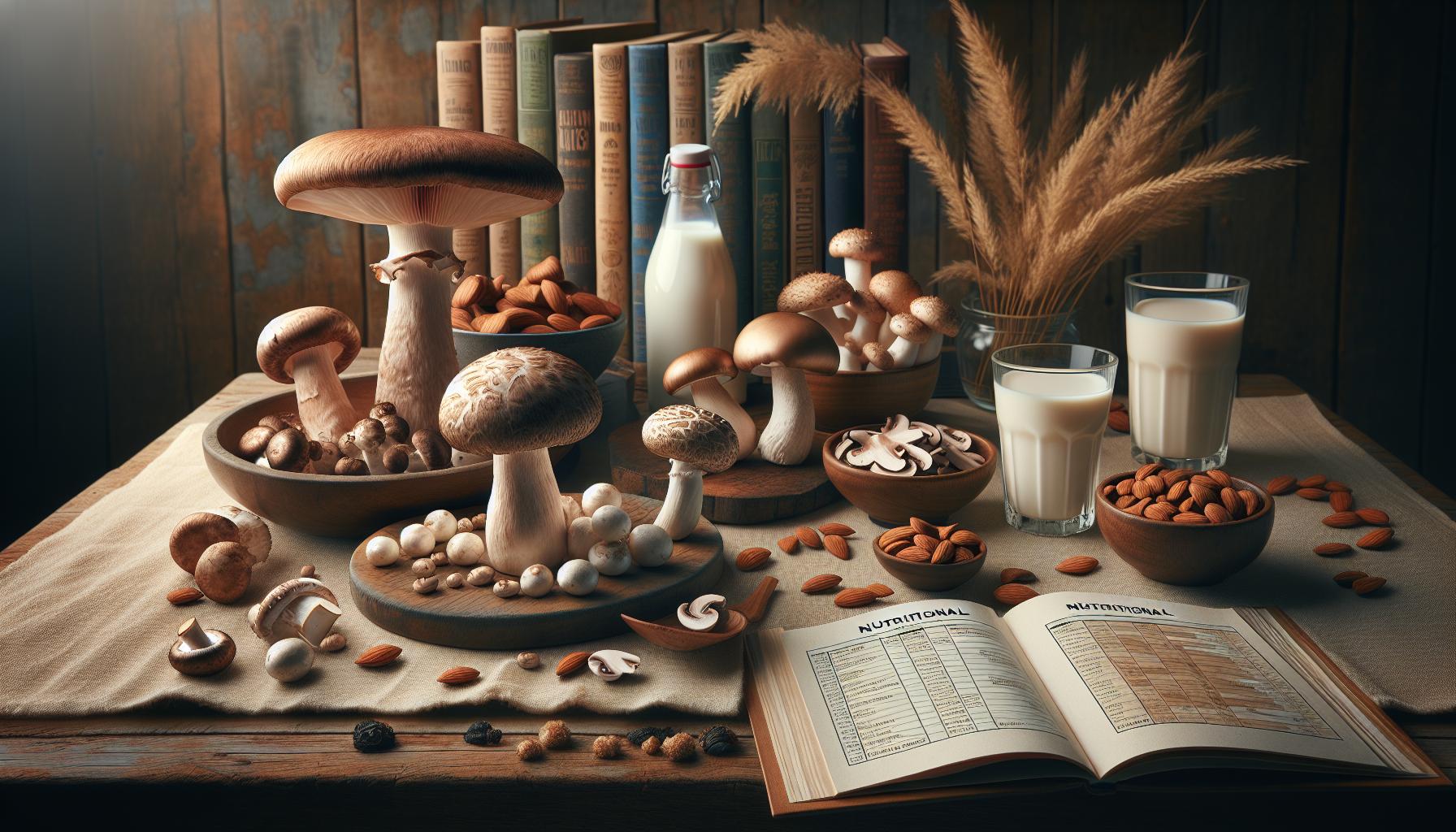
Understanding the Nutritional Profile of Mushrooms
Mushrooms are a powerhouse of nutrition, often overlooked in discussions about healthful foods. Rich in diverse nutrients yet low in calories, they make an ideal addition to any weight loss plan. One cup of raw mushrooms contains about 15 calories, along with a wealth of vitamins, minerals, and antioxidants. With their high water content and fibrous structure, mushrooms contribute to a feeling of fullness, which can help curb overeating.
Nutritional Highlights
Mushrooms are not only low in calories but also boast impressive nutritional profiles. They are an excellent source of B vitamins, including riboflavin, niacin, and pantothenic acid, which are crucial for energy production and metabolism. Additionally, they contain important minerals such as selenium, potassium, and copper. The abundance of antioxidants in mushrooms may help to combat oxidative stress and support overall health.
Fiber Content
The dietary fiber found in mushrooms is one of the key components that aids in weight management. Fiber promotes healthy digestion and helps maintain stable blood sugar levels. A diet rich in fiber can enhance satiety, leading to decreased appetite and potentially resulting in lower calorie consumption. Including mushrooms as part of a fiber-rich diet can be a strategic move for individuals looking to lose weight.
Incorporating mushrooms into your meals can be as simple as adding them to salads, stir-fries, soups, or as a meat substitute in various dishes. Their versatility allows for endless culinary creativity, making it easy to capitalize on their nutritional benefits while enjoying delicious meals.
How Mushrooms Aid in Weight Loss
Incorporating mushrooms into your diet can serve as a game changer for those pursuing effective weight management. These nutrient-dense fungi are not only low in calories but also possess unique properties that support fat burning and promote a sense of fullness, making them highly beneficial for weight loss efforts.
One of the standout features of mushrooms is their impressive fiber content. Dietary fiber plays a crucial role in digestion and regulates blood sugar levels, which can help mitigate hunger pangs and reduce overall calorie intake. By including mushrooms in your meals, you can enhance your fiber intake, supporting a feeling of fullness and satisfaction without the excess calories. This is essential in any weight loss plan, as feeling satiated can prevent the desire to snack on less nutritious options.
Moreover, certain types of mushrooms, like Lion’s Mane, have been linked to improved fat metabolism and healthy triglyceride levels, making them even more advantageous for weight loss. Some studies suggest that these mushrooms can also help reduce body fat through their influence on energy expenditure and fat oxidation. When mushrooms are combined with a balanced diet and regular exercise, they can potentially amplify your weight loss results.
In practical terms, you can easily add mushrooms to a variety of dishes. Whether they’re stir-fried, grilled, or used as a meat substitute in savory recipes, their versatility can substantially enrich your meals without introducing significant calories. This creative incorporation not only boosts the flavor and variety of your meals but also aids in achieving your weight loss goals seamlessly by harnessing the unique benefits that mushrooms offer.
The Science Behind Mushrooms and Fat Burning
Mushrooms have long been celebrated not only for their culinary versatility but also for their potential health benefits, particularly when it comes to weight loss. One of the most compelling aspects of mushrooms is their ability to influence fat metabolism through various biological mechanisms. Research suggests that mushrooms may aid in fat burning by enhancing metabolic rate and promoting healthier fat composition in the body.
A key factor in this process is the presence of certain bioactive compounds found in mushrooms. For instance, polysaccharides, such as beta-glucans, have been shown to modulate metabolic pathways that support fat oxidation. These compounds can enhance immune function and reduce inflammation, which are crucial for maintaining an efficient metabolism. Enhanced metabolic health, in turn, can lead to increased energy expenditure, allowing the body to burn fat more effectively.
Moreover, mushrooms are typically low in calories but high in essential nutrients including vitamins and antioxidants, contributing to a sense of fullness and preventing overeating. The high water and fiber content in mushrooms play an instrumental role in this. Foods rich in fiber slow digestion, which helps stabilize blood sugar levels and curbs hunger. This satiating effect makes mushrooms an excellent choice for those aiming to consume fewer calories without sacrificing nutrition, ultimately aiding in weight management.
Incorporating mushrooms into a daily diet can be both delicious and beneficial. Adding a variety of mushroom types can diversify the range of nutrients available while maximizing potential weight loss effects. Common varieties such as shiitake, portabella, and maitake each bring unique flavors and health benefits. Experimenting with these types in dishes from stir-fries to soups can not only enhance meal enjoyment but also contribute to a more effective fat-burning strategy over time.
Low Calories, High Satisfaction: Why Mushrooms Work
Mushrooms have carved out a unique niche in the world of weight loss foods, thanks to their remarkable ability to provide satisfaction without the extra calories. With their inherently low caloric content, mushrooms can be a fantastic food choice for those looking to manage their weight. In fact, many types of mushrooms contain fewer than 50 calories per cup when cooked, making them an ideal ingredient for creating filling meals that won’t contribute excessively to daily calorie limits.
When incorporating mushrooms into your diet, the variety you choose can enhance the experience significantly. Shiitake, portabella, and cremini mushrooms are not only low in calories but also rich in umami flavor, which can make dishes taste heartier and more satisfying. This high umami content may lead to greater meal satiety, reducing the likelihood of unhealthy snacking later. As you prepare your meals, consider sautéing, grilling, or roasting these delicious fungi to enhance their natural flavors without adding many additional calories.
The combination of fiber and water content in mushrooms further promotes a feeling of fullness. This satiating effect can help curb hunger pangs and balance blood sugar levels, making it easier to resist those mid-afternoon cravings. Including mushrooms in stir-fries, soups, or salads not only adds depth to the meal but also helps you consume fewer calories overall without sacrificing taste or satisfaction.
Moreover, using mushrooms as a substitute for higher-calorie ingredients, such as meats or cheese, can contribute to a balanced and satisfying meal while enhancing nutritional intake. This strategy has been successfully employed in various cuisines, where mushrooms act as hearty fillers that maintain robust flavors, helping many individuals to stay on track with their weight loss goals.
In short, mushrooms are a powerhouse of nutrition packed into a low-calorie form, making them an excellent choice for anyone looking to maintain a healthy weight while enjoying diverse and flavorful meals. By integrating these versatile ingredients into your daily cooking, you can create a satisfying and sustainable way to aid your weight loss journey.
Mushroom Varieties That Promote Weight Loss
Mushrooms are not only versatile culinary ingredients but also come in a variety of types that can enhance your weight loss strategy. Each variety offers its unique flavor profile, texture, and nutritional benefits, allowing you to tailor your meals to your preferences while still supporting your goals. Incorporating specific types of mushrooms into your diet can significantly contribute to a healthy weight loss regimen.
Among the most popular varieties, shiitake mushrooms stand out due to their rich umami flavor and various health benefits. They’re low in calories yet high in fiber, which helps keep you feeling full longer and can lead to reduced overall calorie intake. Their distinct taste is ideal for adding depth to dishes without the need for excessive fats or calories, making them a great choice for stir-fries and soups.
Portabella mushrooms are another excellent option for weight management. Their large size and meaty texture make them a satisfying substitute for higher-calorie ingredients like burgers or cheese. Grilled or baked, portabellas can be turned into a filling meal component alongside vegetables and legumes that are equally low in calories. The high fiber content aids digestion and promotes satiety, which is crucial in maintaining a healthy diet.
Cremini mushrooms offer versatility and mild flavor, making them easy to incorporate into various dishes, from pasta and risottos to salads. These mushrooms can be an ideal choice for those looking to reduce their meat consumption while enriching their meals with nutrients. With a similar nutritional profile to shiitake and portabella, cremini mushrooms are also low in calories but rich in antioxidants, which can support overall health during the weight loss journey.
Other varieties worth mentioning include oyster mushrooms and enoki mushrooms. Oyster mushrooms possess unique compounds that may help in fat reduction, while enoki mushrooms are particularly low in calories and carbohydrates, making them perfect for salads and light dishes.
To maximize the weight-loss benefits of mushrooms, consider the following tips when incorporating them into your diet:
- Experiment with different cooking methods like sautéing, grilling, or roasting to enhance their flavor.
- Use mushrooms as meat substitutes in recipes to lower calorie counts while retaining satisfying textures.
- Mix various mushroom varieties in dishes to leverage their unique flavors and textures.
By making informed choices about the types of mushrooms you use, you can enjoy delicious meals that help you stay on track with your weight loss goals while adding exciting flavors and nutritional benefits to your diet.
Recipes: Delicious Ways to Incorporate Mushrooms
Incorporating mushrooms into your meals offers a delightful way to enhance flavor while supporting weight loss efforts. Their unique textures and earthy flavors can transform ordinary dishes into culinary delights without adding excessive calories. Here are some creative and delicious ways to integrate various mushroom types into your daily diet.
Savory Mushroom Stir-Fry
One of the quickest and healthiest ways to enjoy mushrooms is by making a stir-fry. Combine shiitake, cremini, and baby bella mushrooms with a colorful array of vegetables such as bell peppers, broccoli, and snap peas. Stir-fry in a small amount of olive oil and add soy sauce or teriyaki sauce for flavor. Serve over a bed of brown rice or quinoa to create a satisfying meal infused with fiber-rich ingredients.
Stuffed Portabella Mushrooms
Portabella mushrooms make for an excellent vessel for stuffing due to their robust size. Remove the stems and gills, then fill them with a mixture of cooked quinoa, spinach, garlic, and feta cheese. Bake until the mushrooms are tender and all the flavors meld together. This dish is not only low in calories but also provides substantial nutrients and a creative way to enjoy a plant-based meal.
Mushroom Soup
A hearty mushroom soup can be comforting and nurturing. Sauté onions and garlic, add a variety of mushrooms such as oyster and enoki, then pour in vegetable broth. Blend the mixture until smooth for a creamy texture while remaining dairy-free. This soup can be served as a starter or a light meal, keeping you full without loading up on calories.
Recipes to Try
To help you get started, here’s a quick list of mushroom-based recipes that are both healthy and delicious:
- Mushroom Risotto: Creamy arborio rice cooked slowly with vegetable broth, finished with sautéed mushrooms and a sprinkle of parmesan.
- Mushroom and Spinach Salad: Toss fresh spinach with sautéed mixed mushrooms, olive oil, and balsamic vinegar for a refreshing salad.
- For Breakfast: Add sliced mushrooms to an omelet or frittata with vegetables for a nutritious start to your day.
By using these recipes, you can easily add nutritious mushrooms to your meals while enjoying their flavors. Experimenting with different types will also help you discover new favorites that support your weight loss goals.
Mushrooms vs. Other Superfoods for Weight Loss
Mushrooms stand out as a unique contender in the realm of superfoods for weight loss, particularly due to their low calorie content and high nutritional density. Unlike many other popular weight-loss superfoods, such as quinoa or avocados, mushrooms are incredibly low in calories – focusing on providing a rich array of vitamins and minerals. This means individuals can enjoy generous portions without the guilt of overindulging. For instance, a cup of raw mushrooms contains fewer than 20 calories while delivering essential nutrients like B vitamins and selenium, making them an efficient choice for dieters looking to manage their caloric intake.
While other superfoods often come with higher fat content or sugars, mushrooms provide natural fiber, which is essential for digestive health and helps create a feeling of fullness. This combination aids in curbing cravings and reducing the overall consumption of unhealthy snacks. For example, incorporating mushrooms into meals can enhance satiety when compared to eating similar weight servings of more calorie-dense foods. This is particularly beneficial when considering the importance of maintaining a sustainable eating habit over time.
Mushrooms also share some common ground with other superfoods, such as leafy greens, beans, and fruits, all of which are commonly praised in weight management diets. They can be easily integrated into various meals, whether in salads, stews, or stir-fries. A practical advantage of mushrooms is their versatility and the way they can absorb flavors, which enhances the taste of dishes while still being calorie-conscious. For instance, sautéing mushrooms with garlic and herbs adds depth to a meal without significantly increasing the total caloric load.
In summary, when comparing mushrooms to other superfoods, their unique combination of low calories, high fiber, and versatile flavor takes center stage, making them a valuable ally in the quest for effective weight management. Whether you’re looking to make mushrooms a staple in your diet or simply want fresh ideas on how to incorporate them, their benefits are clear: you can enjoy satisfying portions without derailing your weight loss efforts.
Potential Side Effects of Eating Mushrooms
Mushrooms are often celebrated for their numerous health benefits, especially when it comes to weight loss, but like any food, they come with potential side effects and considerations. It might surprise you that while mushrooms are generally safe and nutritious, improper handling, preparation, or consumption of certain varieties can lead to adverse effects. Understanding these risks is crucial for anyone looking to incorporate mushrooms into their diet as a fat-burning food.
One of the primary concerns when consuming mushrooms is the risk of allergic reactions. Some individuals may experience sensitivity to specific types, leading to gastrointestinal issues like nausea, vomiting, or diarrhea. It’s essential to listen to your body and consult a healthcare provider if you notice any adverse symptoms after consuming mushrooms. Additionally, mushrooms should only be sourced from reputable suppliers; wild mushrooms can be particularly risky as some varieties are toxic or hallucinogenic, posing serious health threats if ingested.
Another factor to consider is the digestive impact of mushrooms, particularly for those unaccustomed to high-fiber foods. While the fiber in mushrooms aids digestion and promotes a feeling of fullness, suddenly introducing large quantities into the diet may cause bloating or gas. To mitigate this, start with small portions and gradually increase your intake to allow your digestive system to adjust. Cooking mushrooms can also help break down tough fibers and reduce gastrointestinal discomfort.
Finally, it’s worth noting that certain mushrooms contain compounds that may interact with medications. For instance, varieties like shiitake and reishi can affect blood clotting. If you are on anticoagulant medications or have underlying health conditions, consult with a healthcare professional before making mushrooms a regular part of your diet. By being mindful of these considerations, you can safely enjoy mushrooms while reaping their weight loss benefits.
Success Stories: Transforming Weight Loss with Mushrooms
In recent years, numerous individuals have discovered the transformative power of incorporating mushrooms into their weight-loss journeys. Not only are these fungal wonders low in calories and high in fiber, but they also deliver a rich array of nutrients that can enhance satiety and support metabolic health. People from diverse backgrounds have successfully utilized mushrooms as a cornerstone of their healthy eating patterns, often reporting significant positive changes in both their waistline and overall wellbeing.
One compelling example comes from Sarah, a 34-year-old office worker who struggled with weight management for several years. After attending a nutrition workshop, she learned about the benefits of mushrooms, especially their ability to replace higher-calorie ingredients in her meals. By swapping out beef in her stir-fry for hearty portobello mushrooms, Sarah not only cut calories but also added depth and flavor to her dishes. Within just a few months, she lost over 15 pounds and reported feeling more energized and satisfied after meals. Her success motivated her to experiment with different mushroom varieties, such as shiitake and oyster mushrooms, incorporating them into soups, salads, and even smoothies.
Another inspiring story is that of Mike, a retired athlete who faced weight gain post-retirement. Unwilling to compromise his love for rich, hearty foods, he began exploring how mushrooms could fit into his diet. He started by adding sautéed mushrooms to his breakfast omelets and his favorite pasta dishes. By doing so, he experienced remarkable results: not only did he feel full longer, reducing his cravings for unhealthy snacks, but he also shed over 20 pounds in just a few months. Mike joined an online community of mushroom enthusiasts where he shared his journey and discovered new recipes, solidifying his commitment to a mushroom-rich diet.
These narratives showcase the powerful role mushrooms can play in a balanced and flavorful approach to weight loss. Whether it’s through reducing calorie intake, enhancing meal satisfaction, or providing essential nutrients, incorporating mushrooms can be a game-changer for many people aiming to achieve their health goals. By actively embracing this versatile food, individuals not only find enjoyment in their meals but also pave the way towards healthier lifestyles.
Tips for Buying and Storing Mushrooms
Selecting and storing mushrooms properly can enhance your culinary experience while supporting your weight loss journey. Fresh mushrooms are often packed with nutrients and offer a variety of flavors, making them an excellent substitute for higher-calorie ingredients. However, knowing how to choose the best specimens at the store and how to keep them fresh can ensure you maximize their benefits.
When shopping for mushrooms, look for ones that are firm, plump, and free from blemishes or dark spots. The caps should be closed or only slightly open, depending on the type. A strong, earthy smell is a good indicator of freshness. If you’re purchasing pre-packaged mushrooms, check the expiration date and packaging for any signs of moisture or spoilage. The best varieties for weight loss include low-calorie options like button, portobello, shiitake, and oyster mushrooms, as they can add bulk to your meals without excess calories.
Once you’ve selected your mushrooms, proper storage is crucial to maintain their quality. Store fresh mushrooms in a paper bag rather than plastic, which helps absorb excess moisture and prevents spoilage. Keeping them in the refrigerator at a temperature between 34°F and 38°F can prolong their freshness for about a week. Avoid washing mushrooms until just before you plan to use them, as excess moisture can lead to quicker deterioration. If you have leftover cooked mushrooms, store them in an airtight container in the fridge for up to three days, ensuring they remain a convenient addition to your meals.
Incorporating mushrooms into your daily diet is easy if you are mindful of their selection and storage. By ensuring you have fresh, high-quality mushrooms on hand, you can effortlessly enhance your dishes, bolster your weight loss efforts, and enjoy a rich variety of flavors.
The Role of Mushrooms in a Balanced Diet
Mushrooms are a nutrient-dense food that easily integrates into a balanced diet, offering a range of health benefits that can support overall well-being and weight management. Packed with vitamins, minerals, and antioxidants, they provide essential nutrients while being low in calories. Including mushrooms in your meals can not only enhance flavors but also contribute to a satisfying and nutritious diet.
One of the key benefits of mushrooms is their ability to increase satiety due to their high water and fiber content. Incorporating them into dishes can help you feel fuller for longer, which may aid in controlling overall calorie intake. For example, instead of using rice as a base for stir-fries or casseroles, you can mix in chopped mushrooms for added volume without a significant increase in calories. This substitution allows for larger portion sizes, making meals more satisfying without compromising dietary goals.
Moreover, mushrooms come in various types, each with unique flavors and nutritional profiles. Button mushrooms, for instance, are versatile and mild, while shiitake mushrooms offer a rich umami taste. Adding various mushroom types to your meals can not only prevent monotony in your diet but also expose you to different nutrients. For example, shiitake are known for their immune-boosting properties due to their high levels of polysaccharides, while portobello mushrooms provide a hearty texture that can serve as a meat substitute in many dishes.
In the context of weight loss, mushrooms can play a supportive role by providing essential nutrients. They are an excellent source of B vitamins, which help in energy production and metabolism, alongside minerals like potassium that can aid in regulating blood pressure. Including these nutrient-rich foods regularly can help create a balanced diet that promotes overall health while supporting weight reduction efforts.
In summary, integrating mushrooms into your regular meals can significantly improve dietary quality, making it easier to maintain a balanced approach to eating while supporting weight loss endeavors. Their versatility in preparation and the ability to add volume without extra calories makes them an ideal component of a healthy eating plan.
Myth-Busting: Common Misconceptions about Mushrooms
The perception of mushrooms in the weight loss community is often clouded by myths and misconceptions. Many believe that consuming mushrooms alone can lead to significant weight loss or that they are devoid of calories due to their low-fat content. However, understanding the facts can help clarify how mushrooms can effectively support your weight management journey.
First, let’s address the idea that mushrooms are a magic solution for weight loss. While it’s true that they are low in calories and rich in fiber, leading to increased satiety, they are not a standalone remedy. Incorporating them into a balanced diet alongside other nutritious foods is essential for achieving sustainable weight loss. Mushrooms can certainly boost meal volume and nutritional value without adding many calories, but they should be part of a varied diet rich in other vegetables, whole grains, and lean proteins.
Another common misconception is that all mushrooms are nutritionally identical. In reality, different varieties offer unique benefits. For example, shiitake mushrooms are renowned for their immune-boosting properties, while portobello mushrooms can serve as a hearty meat substitute due to their substantial texture. This diversity means that you can harness various health benefits simply by incorporating a range of mushroom types into your meals.
Additionally, some people worry about the safety of consuming mushrooms or their potential to cause weight gain. On the contrary, when utilized correctly, mushrooms are an excellent addition to any weight loss strategy. They are not only low in calories, but also contain essential vitamins and minerals that support metabolism and overall health. Including mushrooms in your meals can enhance flavors and increase the nutrient density of your diet, all while keeping calorie counts low.
- Fact: Mushrooms are low in calories, making them a perfect food for weight loss when incorporated into a balanced diet.
- Myth: All mushrooms are the same nutritionally; different varieties provide unique health benefits.
- Fact: Mushrooms are versatile and can replace higher-calorie ingredients, increasing meal satisfaction without added calories.
By dispelling these myths, you can better appreciate the role of mushrooms in a weight loss strategy. They are not a miracle food but rather a valuable component of a comprehensive and nutritious eating plan.
Frequently Asked Questions
Q: How do mushrooms help with weight loss?
A: Mushrooms aid in weight loss by being low in calories while providing essential nutrients. Their high fiber content promotes satiety, reducing overall calorie intake. Incorporating mushrooms into meals can enhance flavor and texture without adding significant calories, making them a great addition to a weight management plan.
Q: What types of mushrooms are best for weight loss?
A: Varieties like shiitake, maitake, and portobello mushrooms are great for weight loss due to their low calorie and high nutrient density. They can enhance meals, providing flavor and satisfaction without excessive calories. For specific recipes, refer to the section on mushroom recipes in the main article.
Q: Are mushrooms low in carbohydrates?
A: Yes, mushrooms are low in carbohydrates, making them suitable for low-carb diets. They contain only a small amount of natural sugars and starches, which helps maintain energy levels without spiking blood sugar. This makes them a favorable choice for weight loss and metabolic health.
Q: Can mushrooms replace meat in a diet for weight loss?
A: Yes, mushrooms can effectively replace meat in many dishes due to their umami flavor and hearty texture. This substitution can reduce calorie and fat intake while still providing protein, especially in vegetarian meals. Check out the recipes section for ideas on incorporating mushrooms in place of meat.
Q: How can I include more mushrooms in my diet for weight loss?
A: You can include more mushrooms by adding them to salads, stir-fries, soups, and as toppings on pizzas. Experiment with different varieties to find your favorite. For more specific culinary ideas, visit the delicious recipes section in the main article.
Q: Do mushrooms provide any essential nutrients for weight management?
A: Yes, mushrooms are a source of important nutrients like vitamin D and B vitamins. These nutrients can support overall health and metabolic processes, assisting weight loss efforts. Their rich antioxidant content also contributes to improved body functions.
Q: Is eating cooked mushrooms better for weight loss than raw mushrooms?
A: Cooking mushrooms enhances their flavor and digestibility, often improving nutrient absorption. While both cooked and raw mushrooms can be included in a weight loss plan, cooking them can make them more palatable and versatile in various dishes.
Q: Are there any side effects to eating mushrooms for weight loss?
A: Generally, mushrooms are safe and healthy for most people. However, some individuals may experience allergies or digestive issues. It’s advisable to start with small amounts and consult a healthcare provider if you have concerns about specific varieties. For potential side effects, refer to the related section in the article.
The Way Forward
In conclusion, incorporating mushrooms into your diet can be a game-changer for anyone focused on weight loss. With their low calorie content and rich nutrient profile, mushrooms not only help curb your appetite but can also enhance your meals, keeping them flavorful and satisfying. If you’re excited to transform your weight loss journey, don’t wait-experiment with different mushroom varieties today!
For more insights, check out our related articles on “Mushrooms for Weight Loss: The Ultimate Guide” and explore the “Anti-Obesity Effects of Medicinal and Edible Mushrooms” for deeper nutritional knowledge. Join our newsletter for tips and recipes that will keep you motivated on your path to a healthier lifestyle. Share your experiences in the comments below, and let’s continue this conversation-your journey to better health starts now!